This anthology presents a comprehensive selection of European Neo-Latin literature, offering a rich panorama of literary genres, styles, and themes that flourished from approximately 1500 to 1800. Compiled by a team of international experts, the volume showcases the vast abundance of literature written in Latin during this period, including works by renowned authors such as Erasmus, Buchanan, Leibniz, and Newton, alongside lesser-known writers.

European Neo-Latin and its Development
European Neo-Latin literature represents a significant yet often overlooked body of work from the early modern period. This literary tradition, flourishing from the late Middle Ages through the Enlightenment, saw scholars, poets, and thinkers across Europe utilize Latin as a vibrant medium for literary expression, scientific inquiry, and philosophical debate.
Neo-Latin as a Literary Medium
Latin, long established as the language of scholarship, administration, and religion, continued to serve as a crucial tool for intellectual and creative endeavors in the Renaissance and beyond. Neo-Latin literature encompasses a wide array of genres, reflecting the diverse interests and concerns of its authors and their societies. The use of Latin provided a common linguistic ground for an intellectually interconnected Europe, facilitating the exchange of ideas across national borders.
Neo-Latin Literature and its Genres
The scope of Neo-Latin literature is remarkably broad, including poetry, drama, history, philosophy, scientific treatises, and epistolary works. This anthology aims to highlight this diversity, presenting texts that exemplify the literary merit and historical significance of Neo-Latin writing. The curated selections are intended to provide students and scholars with an authoritative yet accessible introduction to the period's Neo-Latin output.
Aims and Coverage of the Volume
The primary objective of this volume is to bring important and interesting Neo-Latin texts from the period 1350 to 1800 to greater prominence in study and scholarship. The editors have carefully curated a varied and meaningful sample of texts that not only exhibit literary merit or historical importance but also illustrate the role of the complete texts from which they have been selected in the development of Neo-Latin literature. These passages reflect the wide range of authors writing in Latin in early modern Europe and underscore the enduring importance of Latin in the history of ideas.
Latin Texts: Sources and Conventions
The texts included in this anthology are presented with English translations, introductions, and scholarly notes. The introductions provide context for the authors and their works, while the commentaries offer guidance on understanding the classical Latin references and the cultural context of the writing. The selection process prioritized texts suitable for university teaching, aiming to provide sufficient help for modern readers to appreciate the nuances and significance of Neo-Latin literature.
Selected Texts and Commentaries
This anthology features nineteen high-quality short Latin extracts, each accompanied by English translations, introductions, and commentaries. These texts cover a wide spectrum of themes and genres, offering insights into various aspects of European intellectual and cultural history.
1. A Pastoral Exchange on the Treatment of Poets
This section features excerpts from Battista Spagnoli Mantovano's (1447-1516) *Adolescentia*, exploring themes related to the treatment of poets. The commentary, provided by Bobby Xinyue, delves into the literary and historical context of these passages.
2. The Pierced Ear: Divine Revelation and Impregnation
Lucy R. Nicholas provides an introduction and commentary for excerpts from Jacopo Sannazaro's (1458-1530) *De Partu Virginis*, Book 1, focusing on the themes of divine revelation and impregnation.
3. The Abbot and the Learned Woman
Astrid Khoo analyzes Desiderius Erasmus's (1466-1536) *Colloquia (Abbatis et Eruditae)*, offering insights into the dialogue between an abbot and a learned woman.
4. Christopher Columbus’ First Voyage
Gareth Williams examines excerpts from Pietro Bembo's (1470-1547) *Rerum Venetarum Historiae Libri*, Book 6, concerning Christopher Columbus's first voyage.
5. Morbid Measures and Contaminated Airs: The Poetics of Pox
Further contributions by Gareth Williams analyze excerpts from Girolamo Fracastoro's (1476/8-1553) *Syphilis sive de Morbo Gallico*, focusing on the poetic representation of disease and contagion.
6. A Protestant on the Attack in Latin
Lucy R. Nicholas presents an analysis of Martin Luther's (1483-1546) *De Abroganda Missa Privata*, highlighting its significance as a Protestant polemic written in Latin.
7. Greeting Charles V at Bordeaux, 1539
Stephen J. Harrison provides context for George Buchanan's (1506-82) *Silvae 1*, specifically a piece greeting Charles V at Bordeaux.
8. Epistolae Obscurorum Virorum (1515-19)
Daniel Hadas offers an introduction and commentary on Letter 1.37 from *Epistolae Obscurorum Virorum*, concerning a converted Jew and his foreskin.
9. The Pleasures of the Hills
William M. Barton discusses excerpts from Conrad Gessner's (1516-65) *Descriptio Montis Fracti sive Montis Pilati, iuxta Lucernam in Helvetia*, exploring the appreciation of mountains in early modern literature.
10. Neo-Latin Love Elegy
Paul White examines a selection from Joachim Du Bellay's (c. 1522-60) *Amores* (1558), focusing on the Neo-Latin love elegy.
11. A Jesuit Encounter with an Indian Yogi
Paul Gwynne analyzes excerpts from Francesco Benci's (1542-94) *Quinque Martyres*, detailing a Jesuit encounter with an Indian yogi.
12. Mary, Liturgy and Missions
Jan Machielsen explores Francisco Enzinas's correspondence with Robert Bellarmine (1605-07), touching upon themes of Mary, liturgy, and missions.
13. Seneca’s Death Dramatized
Emma Buckley provides an analysis of Act 5, Scene 6 from Matthew Gwinne's (1558-1627) *Nero: Tragaedia Nova* (1603), focusing on the dramatization of Seneca's death.
14. Virgilian Commentary
Fiachra Mac Góráin examines Juan Luis de la Cerda's (1558/60-1643) commentary on Aeneas's first appearance in Virgil's *Aeneid*.
15. Vitalist Philosophy from a Long-lost Author
Laurynas Adomaitis discusses excerpts from Chapter VII of Anne Conway's (1631-79) *Principia Philosophiae Antiquissimae & Recentissimae*, highlighting her vitalist philosophy.
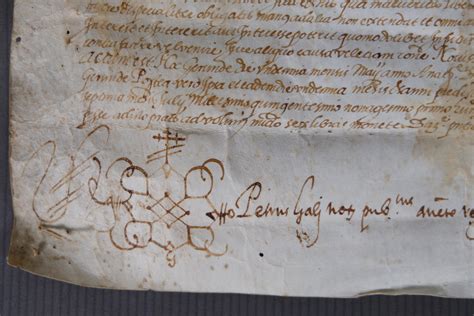
16. A New Approach to Studying Old Documents
Alfred Hiatt analyzes extracts from Jean Mabillon's (1632-1707) *De Re Diplomatica*, presenting a new approach to studying old documents.
17. Newton on Theology
Pablo Toribio examines the theological section from Isaac Newton's (1642-1727) *General Scholium* to the *Principia Mathematica*.
18. Damnation and Divine Justice
Lucy Sheaf offers an analysis of an extract from Gottfried Wilhelm Leibniz's (1646-1716) *Confessio Philosophi*, focusing on themes of damnation and divine justice.
19. A School Play
Jacqueline Glomski discusses excerpts from Acts I and IV of Gottlob Krantz's (1660-1733) *Memorabilia Bibliothecae Publicae Elisabetanae Wratislaviensis*, a school play.
¡Cenicientaaaa! - Obra de teatro [Teatro escolar]
Contributors and Series Information
The volume is edited by Daniel Hadas, Gesine Manuwald, and Lucy R. Nicholas, with contributions from a distinguished list of scholars. This anthology is part of the Bloomsbury Neo-Latin Series, specifically the 'Early Modern Texts and Anthologies' strand. This series aims to provide students and scholars with critical editions of Neo-Latin texts, featuring introductions, translations, and commentaries to enhance their accessibility and promote further research.